Mineralogy of Piedmont
In Piedmont there are some of the most important industrial mineral deposits, for example: graphite, asbestos and talc; this was also the first Italian region where uranium was discovered and extracted (and, precisely, in the area of Mondovi, Cuneo).
The real Piedmontese mineralogical pride, however, is represented by the presence of species of great scientific and collecting importance.
For this reason Val di Ala, Brossov and Traversella, in the province of Torino, Ossola and Baveno, in the province of Novara, have long been renowned locations, providing several valuable specimens.
Val di Ala
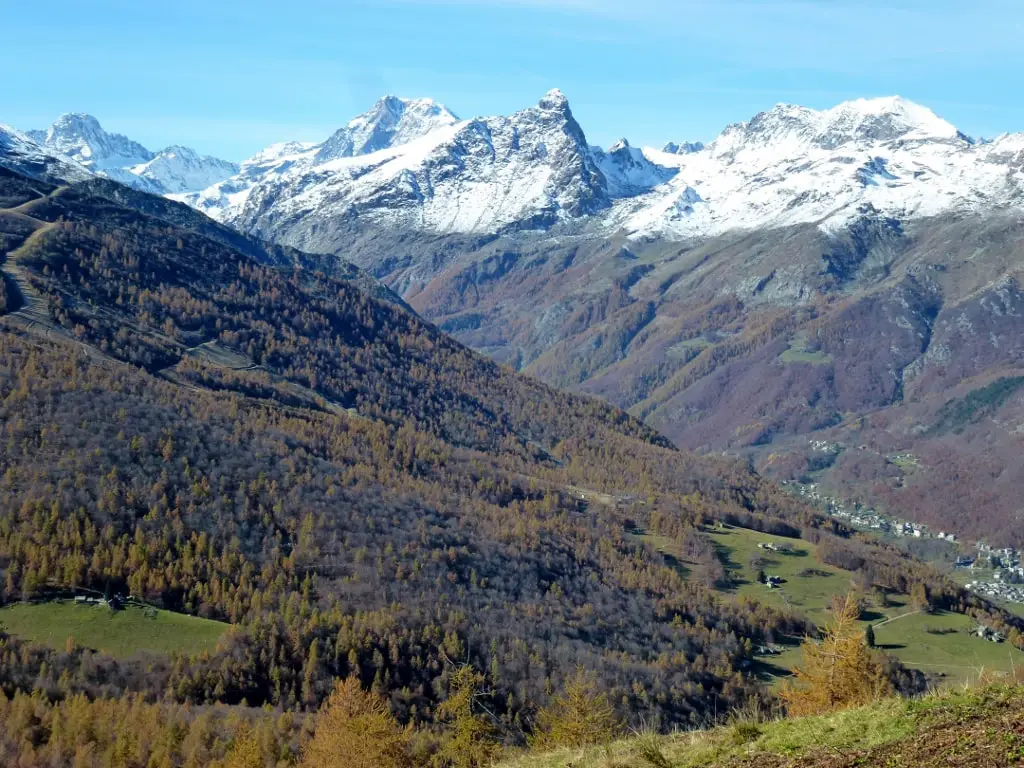 (Val di Ala)
We begin describing the area of the Val di Ala, known since the beginning of the last century for the abundance of its well crystallized minerals, which have embellished museums and private collections.
The rocks of this valley are largely formed by serpentines,
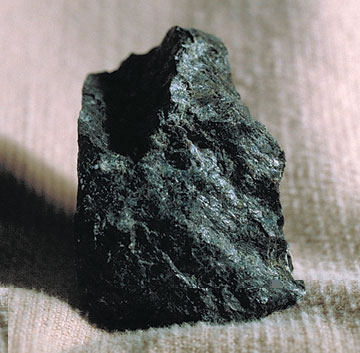 Serpentine
often intersected by veins or by clusters of rodingites.
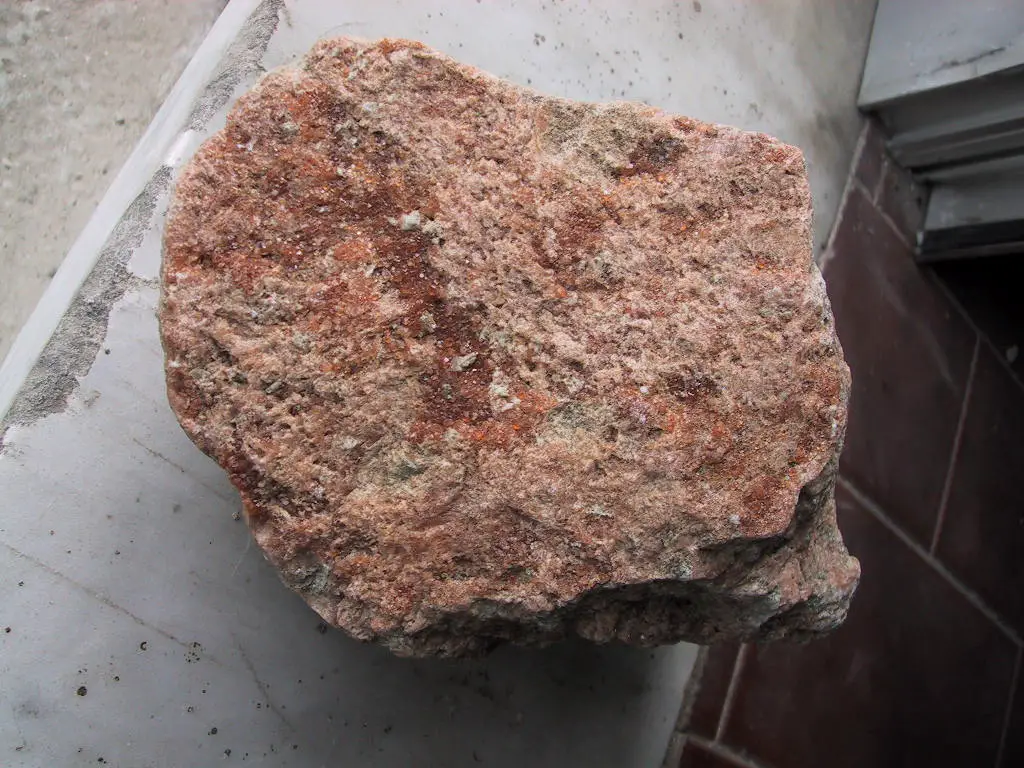 Rodingite (Daniele)
The latter, which are distinguished from the serpentines by the different color, are very hard and consist either of granite (therefore they are also called granatites) or of epidote, diopside and chlorite, which many times are well crystallized inside the cracks
In the Val di Ala area there are numerous rodingite outcrops and largely characterized by good crystallizations.
The most famous and easily accessible mineralogical sites are located in the immediate vicinity of Pian della Mussa (about 1800 m), a vast plateau located just upstream of the town of Balme.
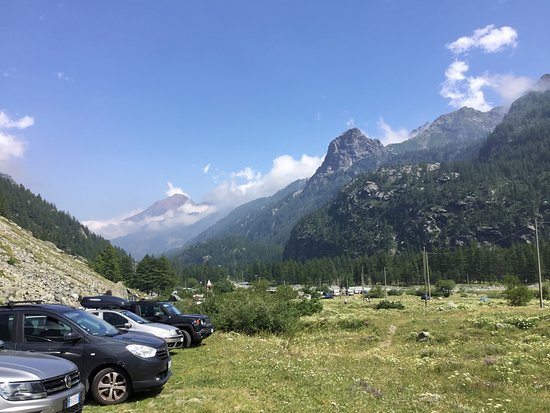 Pian della Mussa
Two large cliffs Roch Neir and Testa Ciarva constitute the main deposits.
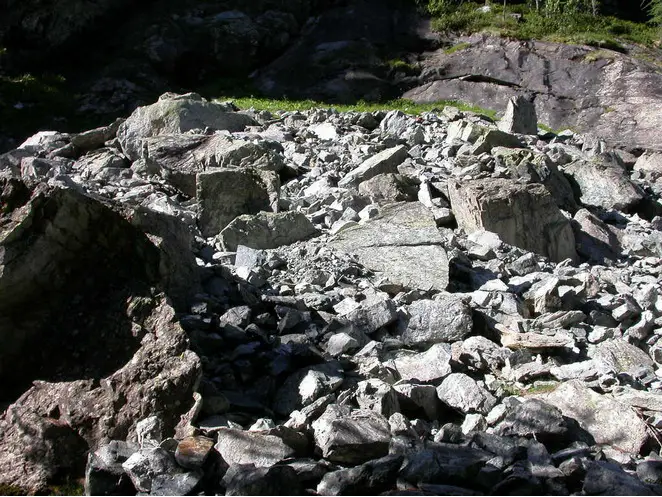 Roch Neir
In this area there are other known sites, although more difficult to access. One of them is Beccodi Curbassera, (1530 m).
Minerals in the Val di Ala
Perhaps the most exceptional findings are from the past, however it is always possible, even now, to collect some good samples.
granites are the most common minerals in almost all deposits; they are found mainly in small crystals with a characteristic red or orange-red color of various shades, often joined to form extensive surfaces. Among the well-known minerals of this group, we can find the grossularia in Testa Ciarva, and the rare ones like andradite, in a yellow crystalline form, by Roch Neir.
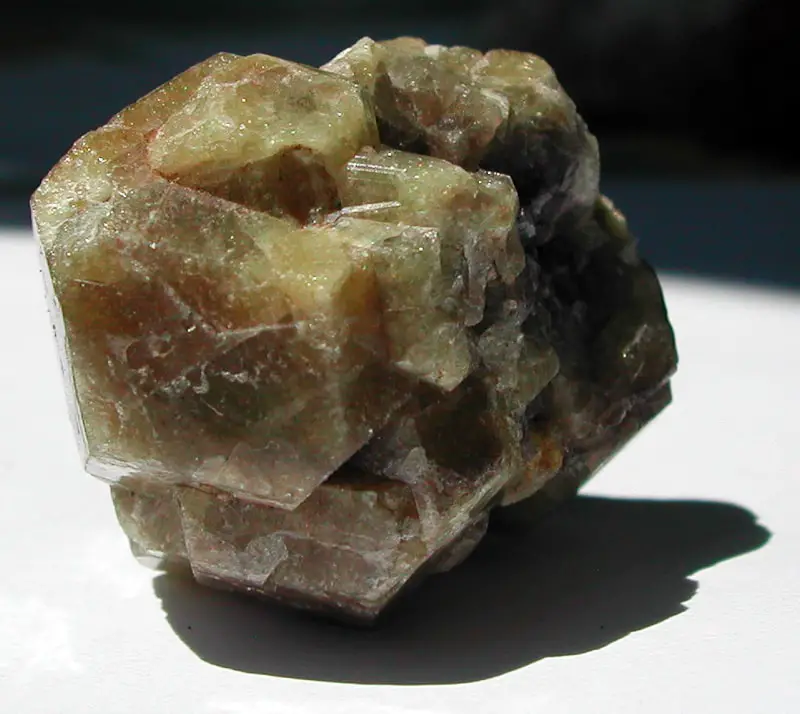 Grossularia
The abundant chlorite, presents packages of greenish and silvery lamellae.
Also common and characteristic is the pale greenish or whitish diopside.
Magnetite is very abundant in the Roch Neir area.
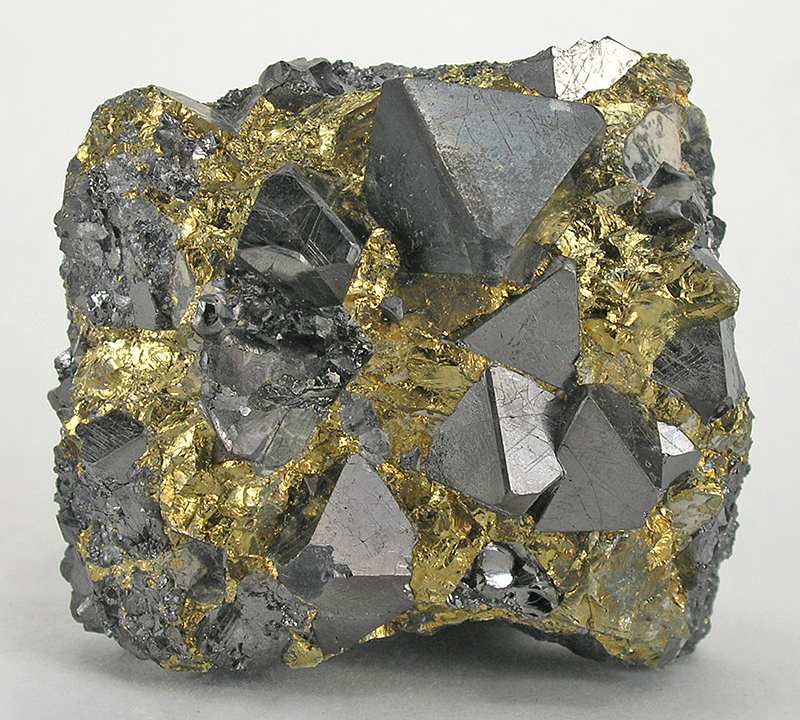 Magnetite (Rob Lavinsky)
Brosso e Traversella
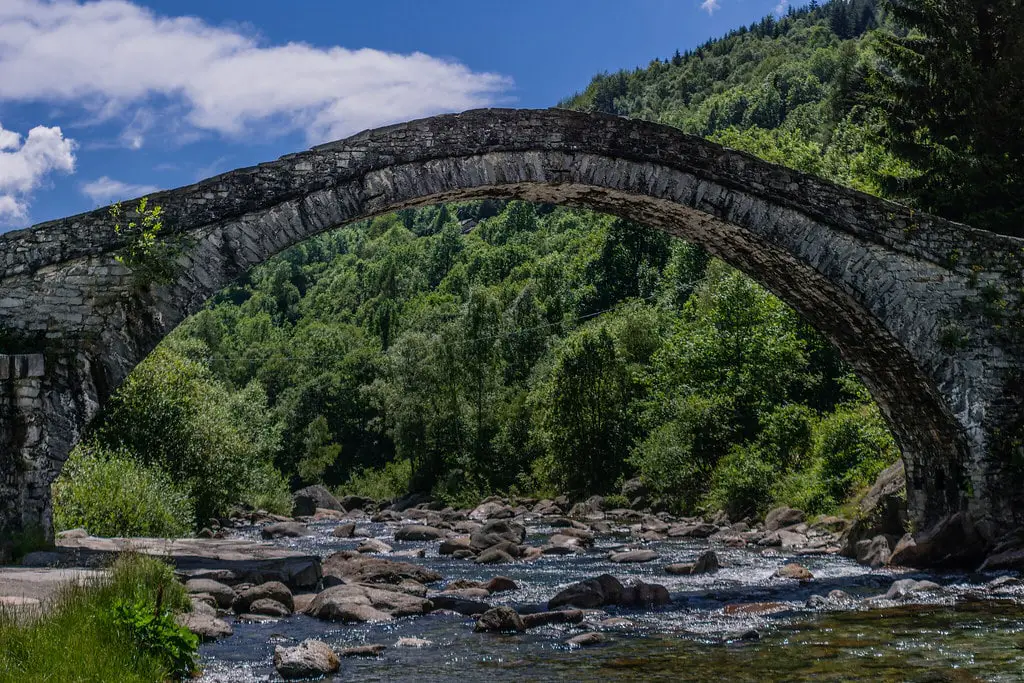 Traversella (AndBog)
In the Cavanese area which includes the two municipalities of Brosso and Traversella there were ancient iron deposits, now exhausted.
Today, the cessation of mining certainly makes significant findings less frequent.
In the landfills near Brosso, for example, it is possible to find samples of black magnetite, compact, granular dipped in gangue in silicates or carbonates and often mixed with pyrite.
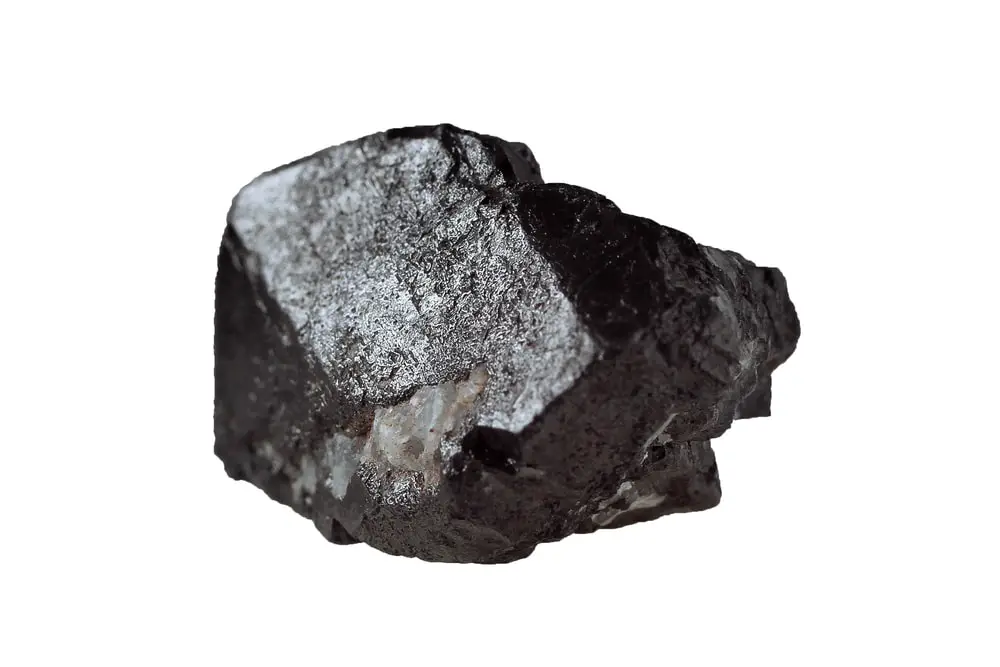 Black Magnetite
In the Cavanese area
Hematite instead occurs in scaly lamellar aggregates.
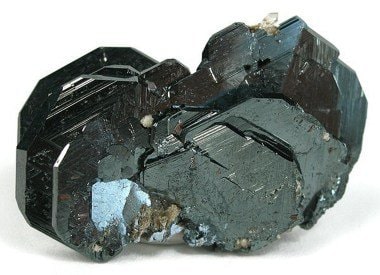 Ematite
Quartz, joining some of the minerals described, is also found in typical mainly opaque crystals.
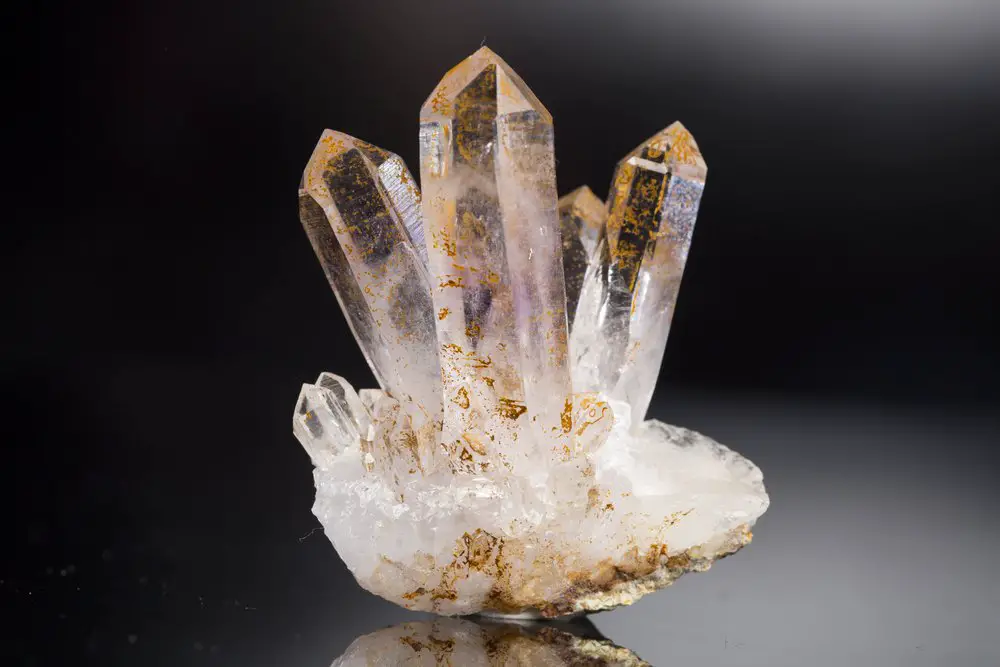 Quartz
Baveno
 Baveno
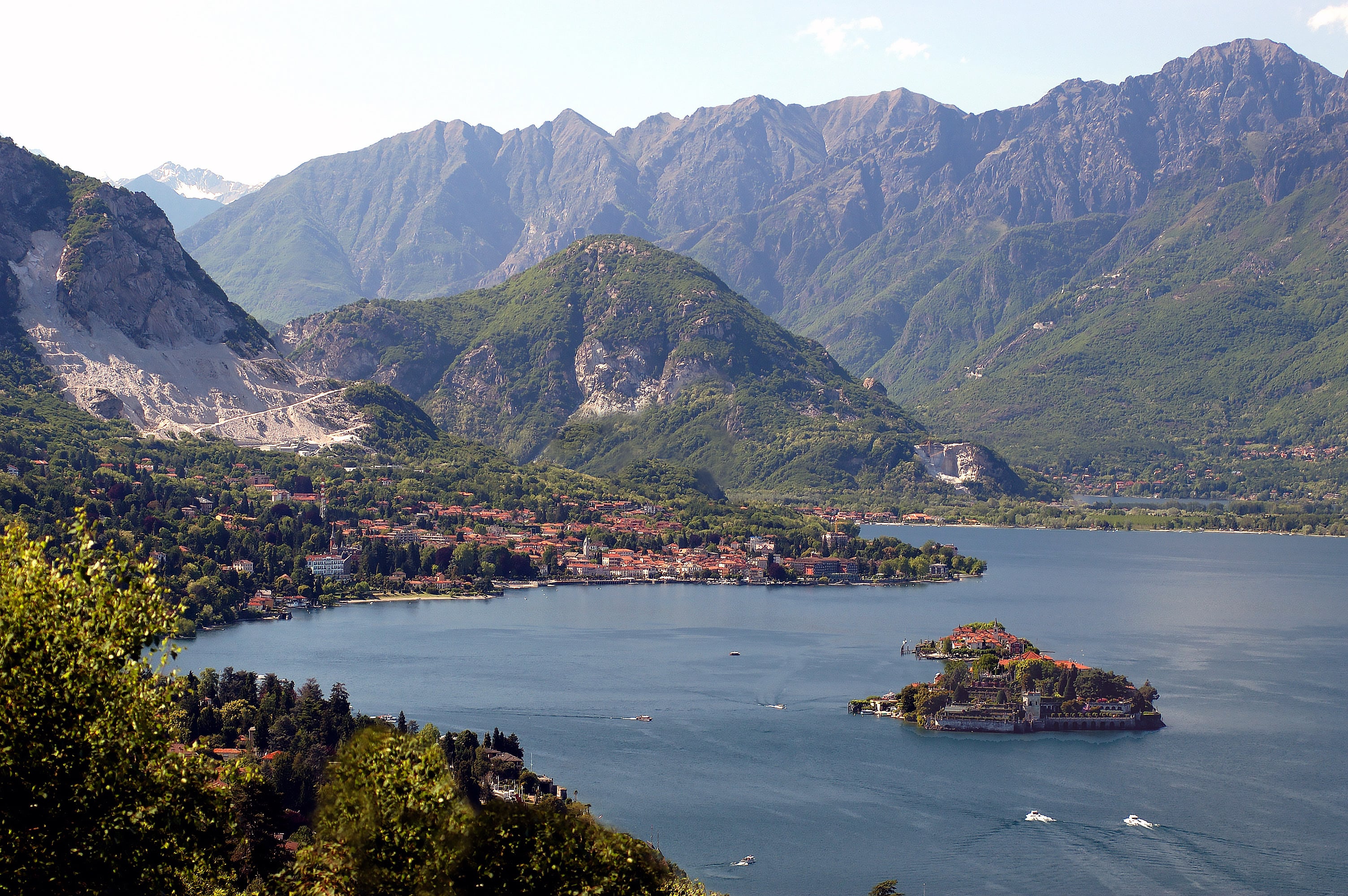
We conclude the overview of the Piedmonte mineralogical locations with Baveno, a pretty town located on the shore of Lake Maggiore.
Baveno is famous for its pink granite widely used as a precious ornamental stone in the construction of many buildings and monuments.
It's worth noting, due to its crystal size and the beauty and rarity of some species, the minerals present in the geodes of this typical granite, which have made Baveno a mineralogical site known worldwide.
Overall, more than sixty different minerals are known to be inside the Baveno granite, even very rare ones, such as cascandite, jervisite and the bazzite: all three contain the rare element scandium.
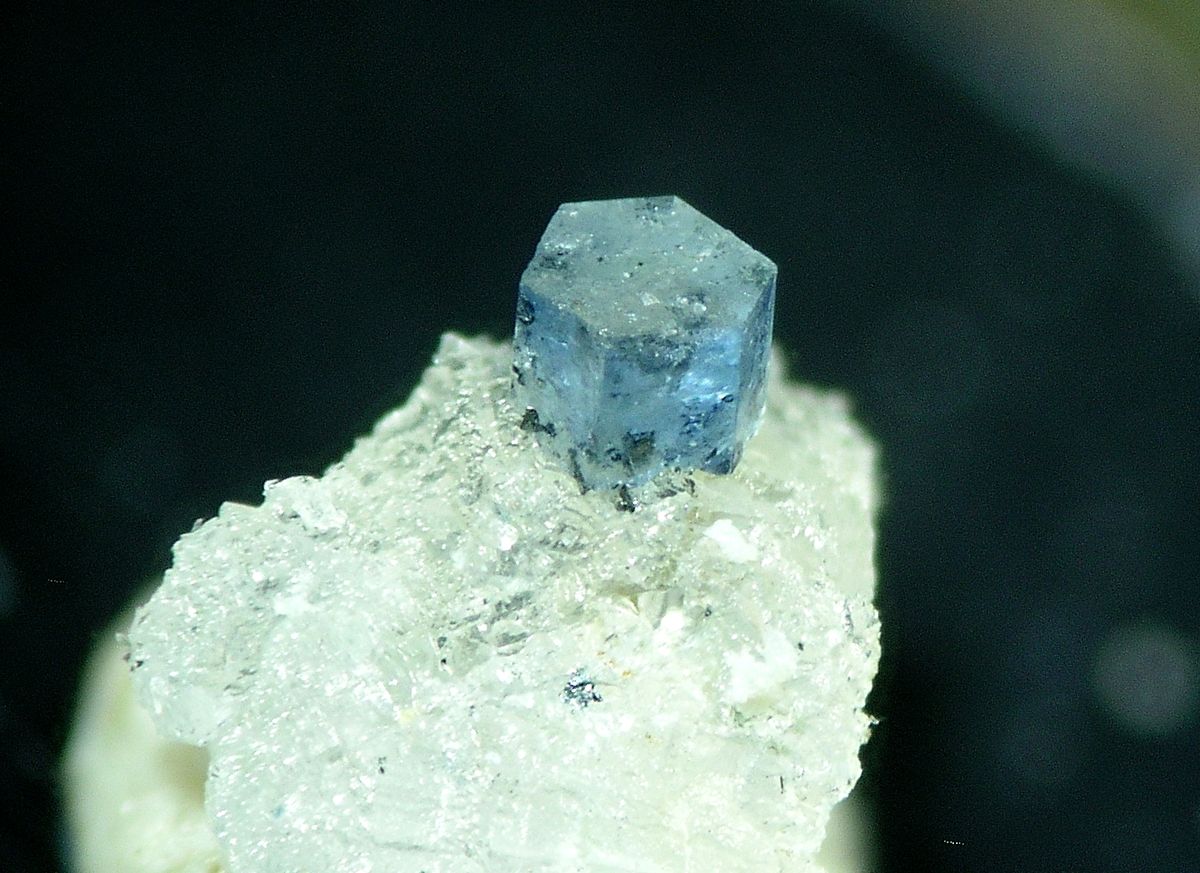 Bazzite (Joachim Esche)
Among the most commonly found minerals we can mention the quartz and the orthoclase,the latter characterized by the porcelain aspect.
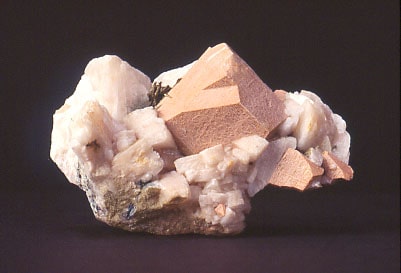 orthoclase