Mineralogy of Trentino-Alto Adige
For many centuries the Trentino-Alto Adige region has been considered quite interesting from a mineralogical point of view.
Although the ore deposits, from which they mainly derive silver , copper , lead , zinc , and mercury ,, are currently exhausted, there are still significant deposits of important industrial minerals such as feldspar, barite, dolomite and fluorite.
Furthermore, some areas are certainly among the best known in our country and in the whole world: names such as Val di Fassa , Alpe di Siusi , the Val di Vizze and the Valle Aurina in fact recur very often in all texts of the mineralogical sector.
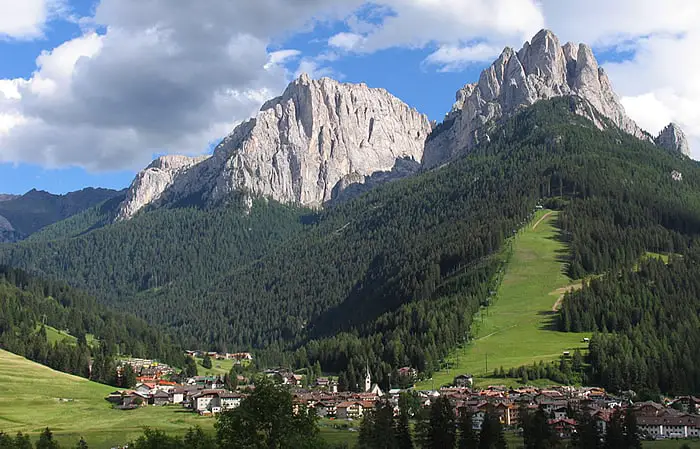 Val di Fassa
The Ahrntal Valley is one of the most interesting areas of discovery of the typical 'fissure minerals' of the entire Alpine chain.
Here, alongside splendid specimens of the most common species, you can also find real rarities, highly sought after by collectors.
The Aurina Valley (Ahrntal) and its side valleys are very rich in minerals and well known to collectors .
We must obviously also mention the Sasso Nero area in which the mineralogical areas are identified above all in the upper part of the Rio Nero (Schwarzenbach), Rio Rosso (Rotbach) and Rio Torbo (Trippbach) valleys.
Finally we point out the Predol area, which, in addition to the famous copper mine of San Valentino, there are two other mineralogical locations, one in the Red Valley and one in the Wind Valley.
The minerals of these areas
In the Sasso Nero area it is possible to find the adularia , in clear or coated prismatic crystals from green patinas of chlorite; rutile, in long and thin red crystals.
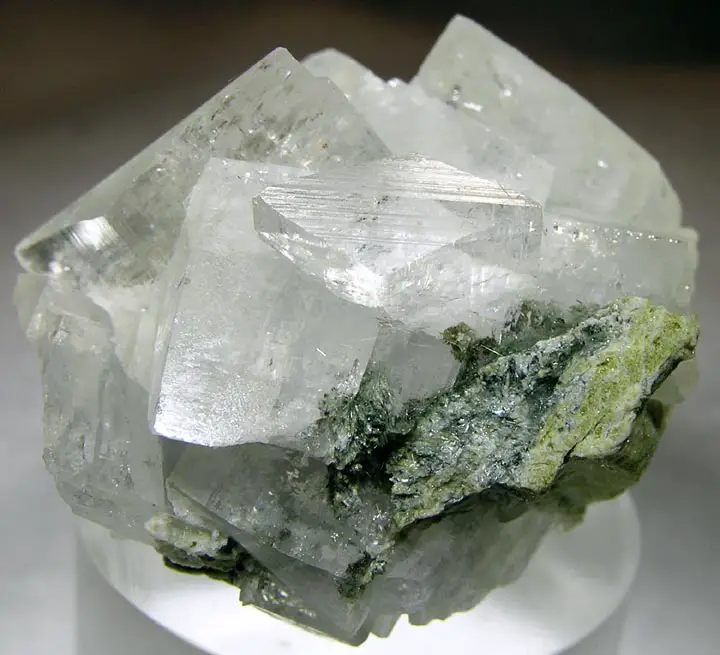 Adularia (Robert M. Lavinsky)
In the Predol area, near the copper mine, you can find mainly chalcopyrite and pyrite compact, but also various other minerals, both metalliferous and ganga.
In the Valle del Vento it is possible to find titanite , hematite , quartz , muscovite and even the tourmaline .
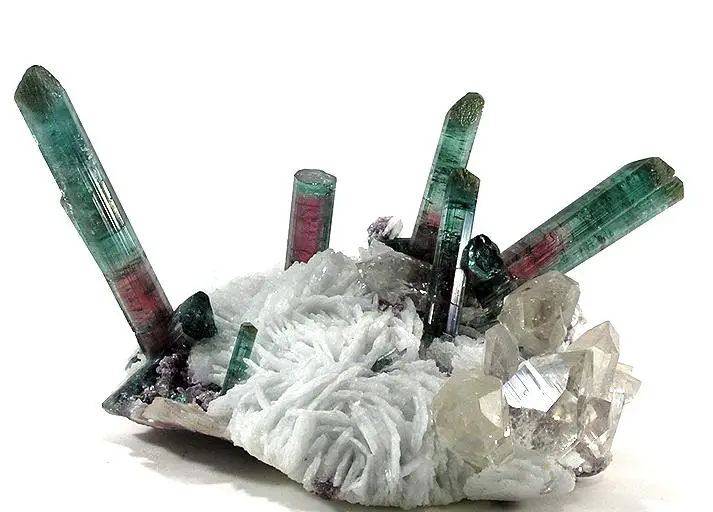 tourmaline
Val di Fassa
This valley, between the Dolomite groups of Marmolada, Sella, Sassolungo and Catinaccio, is well known for its splendid landscape and environmental characteristics .
But the fame of the Val di Fassa is also due to the presence of peculiar mineralogical areas : in fact, thanks to particular geological events that occurred over 200 million years ago, here numerous species, often of great rarity and beauty, are concentrated in a small area.
In order to facilitate geological studies, at the beginning of the twentieth century the Torquato Taramelli Refuge was built in the heart of the Monzoni Mountains, at an altitude of 2000 m, dedicated to the illustrious Italian scientist.
The most common and typical mineral in the area of Drio le Pale is heulandite , which is presented in splendid brick red crystals with a pearly luster; but compact mordenite or finely fibrous reddish aggregates can be found.
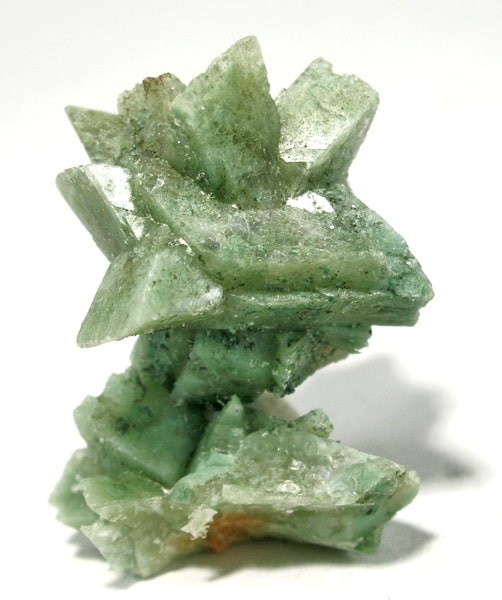 Heulandite (Rob Lavinsky)
In the metamorphosed blocks green individuals of fassaite (a variety of pyroxene that owes its name to the Val di Fassa) are found.
Fassaite has also been discovered in granular masses formed by many crystallines joined together.
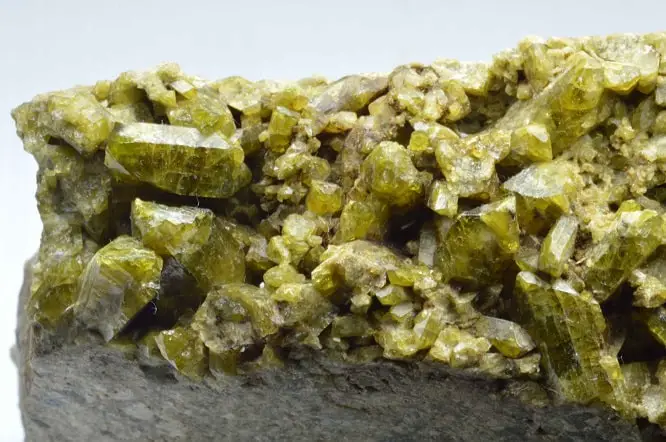 Fassaite
Valsugana
Between Pèrgine Valsugana and Borgo Valsugana there is a vast area rich in metal deposits which were intensely exploited in the past for the lead , the copper and the silver .
The main concentrations of useful minerals, however, are located between the Valle di Pinè and Roncegno, an area that also includes the valley of the Fèrsina stream and the mountains above the villages of Pèrgine and Lèvico Terme: here, in particular, towards the fifteenth century the extraction and processing of lead-silver minerals developed, an activity to which the miners of German origin were mainly dedicated.
In more recent times and until a few decades ago, many mines were cultivated mainly for the fluorite : often abundant as a gangue of metal ores, it sometimes forms, together with quartz and barite, exceptional crystallized groups; the richness of the material still present in the landfills, the numerous species found and the easy accessibility to the mineralogical sites are therefore excellent reasons to undertake an excursion in this area.
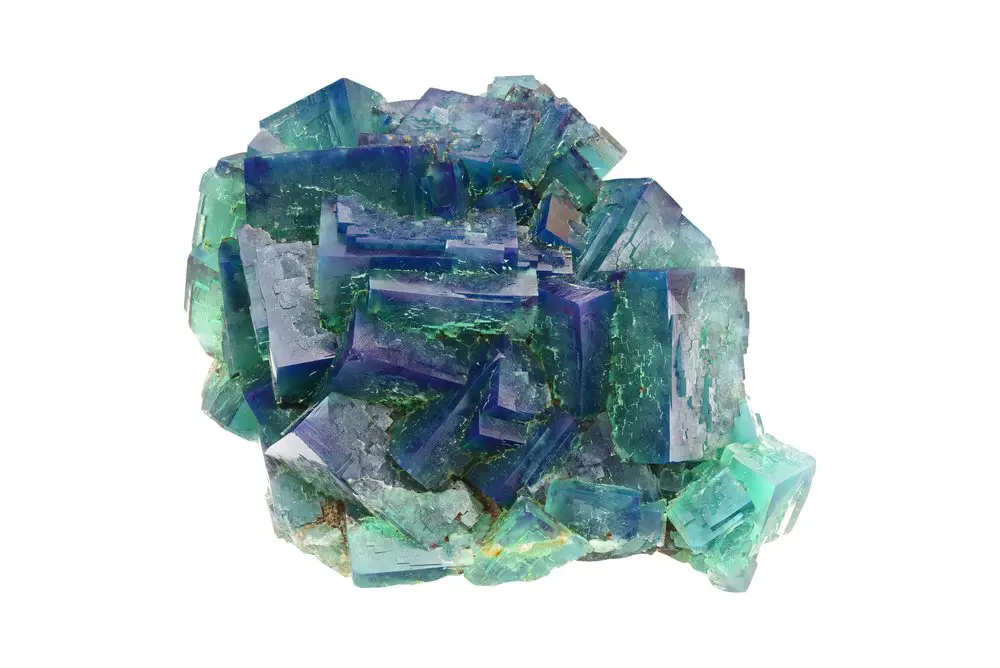 Fluorite
The Cinquevalli mine is located at an altitude of 1550 meters in the valley of the Argento torrent. At least fifty mineralogical species are known there.
The most abundant ore is certainly the sphalerite in the marmatite variety: it comes in small layers or masses of a more or less dark brown or black, with a typical resinous luster ; in the cracks of the rock, however, well-formed crystals can also appear, with bright faces, or opaque because they are covered with a whitish patina of alteration.
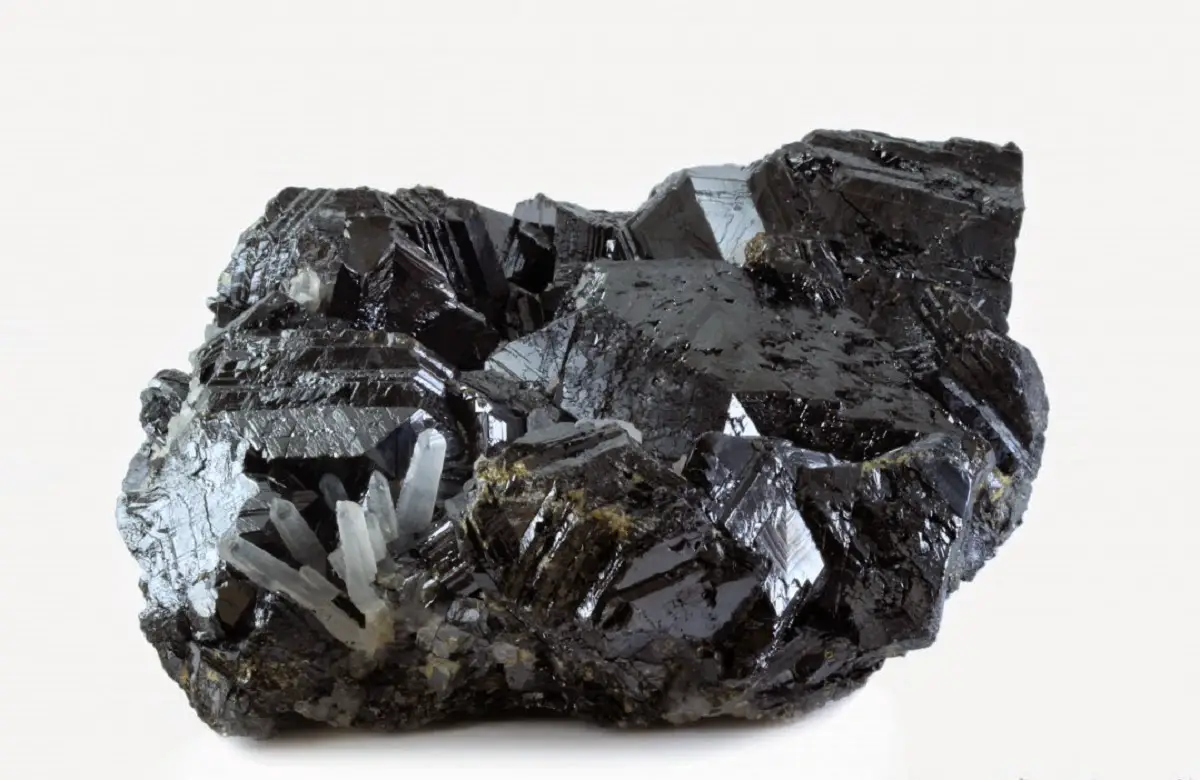 Sfalerite
less abundant and rather similar to marmatite is wolframite , which occurs in prismatic individuals with a rectangular section of dark brown-blackish color, often included in compact quartz.
Finally, in the Vignola landfills, small samples of erythritic can be found, albeit with greater difficulty.
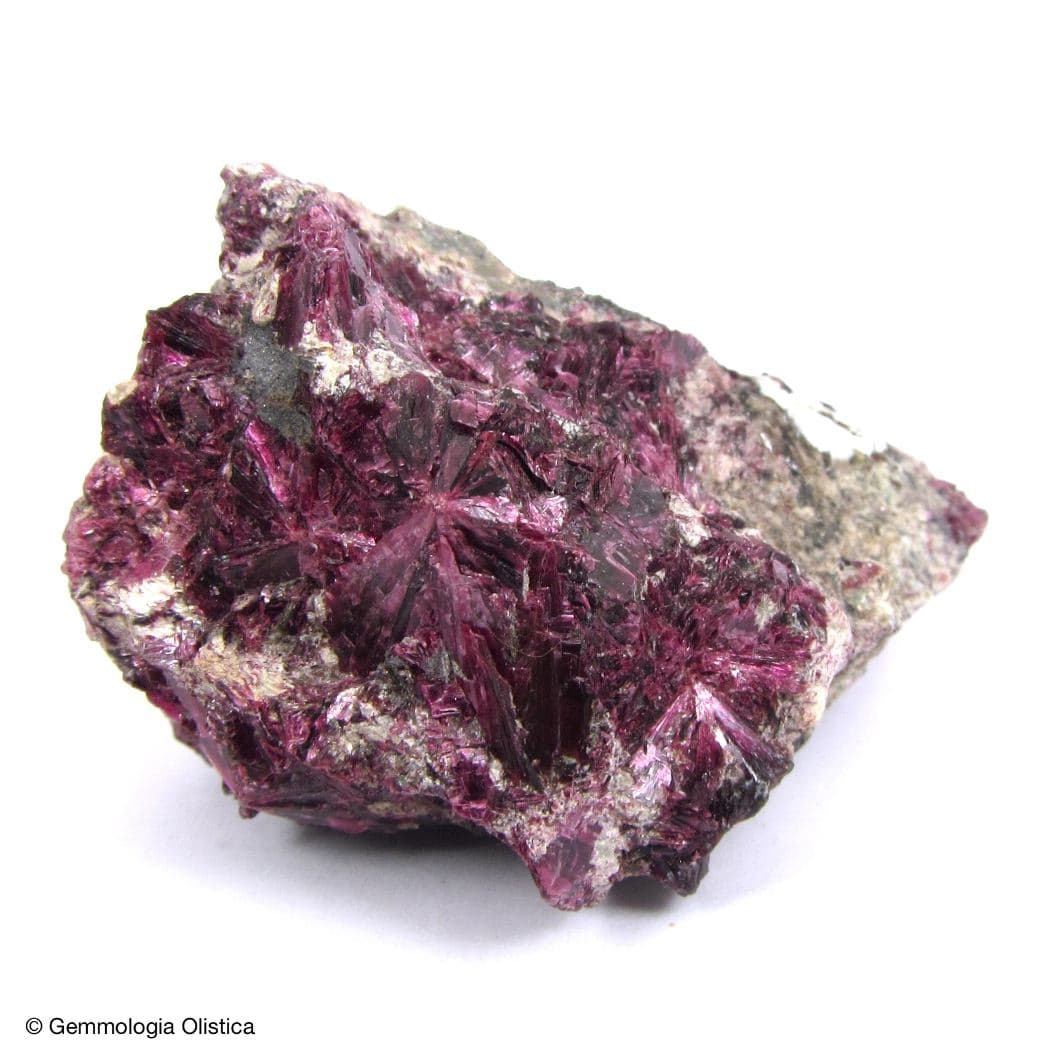 Eritrite